Process
Perfume manufacturing process, step by step
A perfume project with us runs in nine steps, from your brief to the container leaving Shanghai. Each step exists to confirm one thing before money is spent on the next: the scent before the packaging, the packaging before the full sample, the test results before bulk production. Packaging is usually the longest part of the calendar.
The nine steps
- Brief
You tell us the market, channel, product type, retail price and the date the goods must be in your warehouse.
Confirms: Whether the project fits our plant, and a plan worked back from your date.
- Scent selection
We send oils to smell from over 500 in stock, or request samples from the fragrance houses. You choose.
Confirms: The scent, and the fragrance house supplying it.
- Scent sample
The chosen oil is blended in alcohol at your concentration, so you judge the smell on its own.
Confirms: The concentration and the smell of the finished product.
- Packaging design
We agree the bottle, pump, cap, label and box. A new bottle needs a mould: 35 to 40 days from the signed 3D drawing.
Confirms: Every component, its supplier and its lead time.
- Full sample
A complete sample in your actual packaging. A sample charge applies, refunded against your first order.
Confirms: How the product looks, sprays and feels as a finished item.
- Testing
Stability testing with your packaging, compatibility of juice and components, drop testing of the carton, and checks on colour and decoration.
Confirms: That the product stays the same on the shelf and arrives intact.
- Documents
SDS, IFRA document, allergen declaration, MSDS for shipping, and the technical data your EU or UK responsible person needs.
Confirms: That your buyer's technical team and your importer have what they need.
- Production
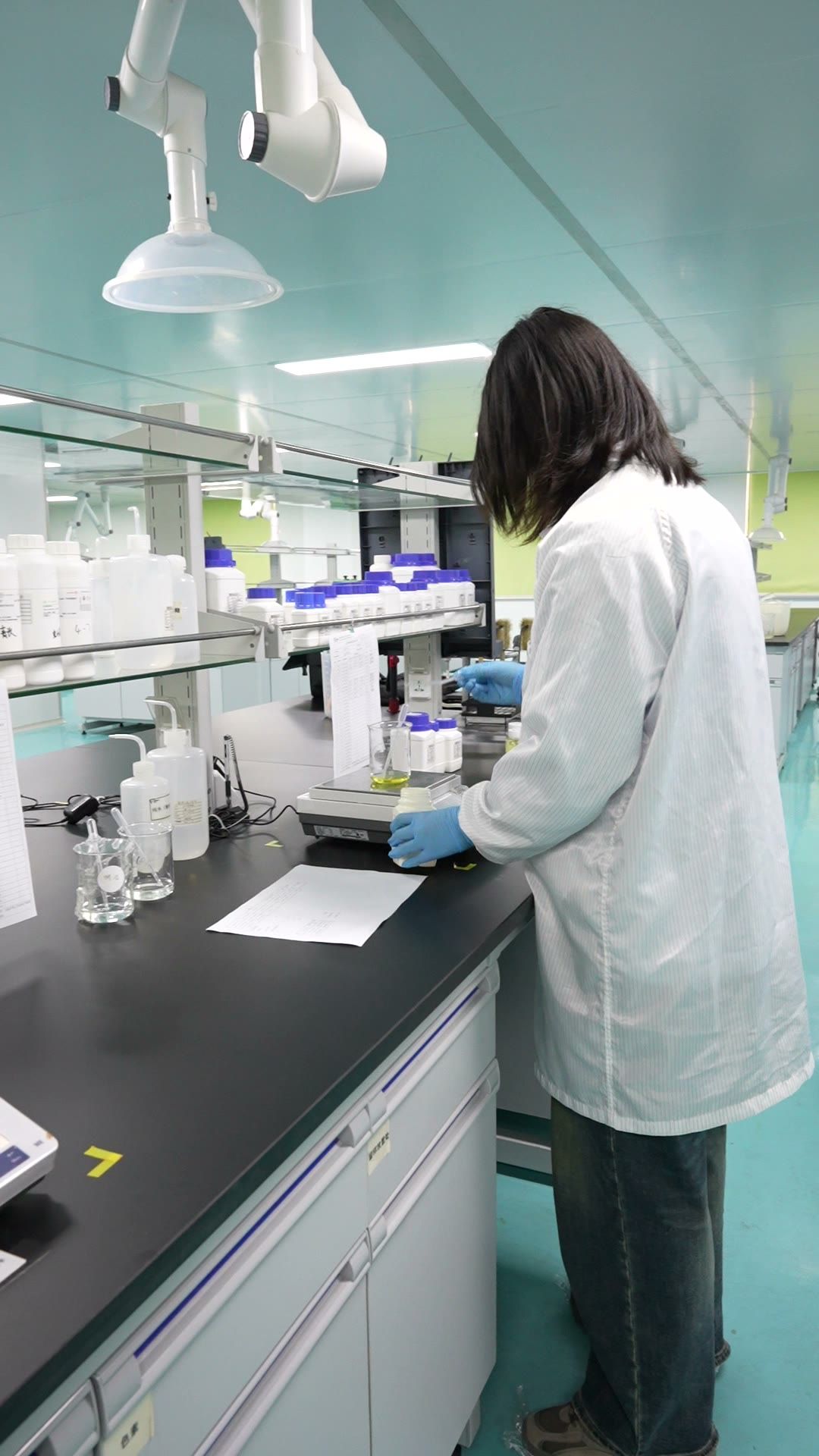
Mixing, maceration, filtering, filling, capping, labelling and packing on our own lines. About ten days once packaging is in.
Confirms: The bulk matches the approved sample.
- Inspection and shipping
Final inspection, your third-party inspection if you use one, then loading. About a month by sea to the US or Europe.
Confirms: Quantity, quality and paperwork before the goods leave.
Inside the lab and the plant
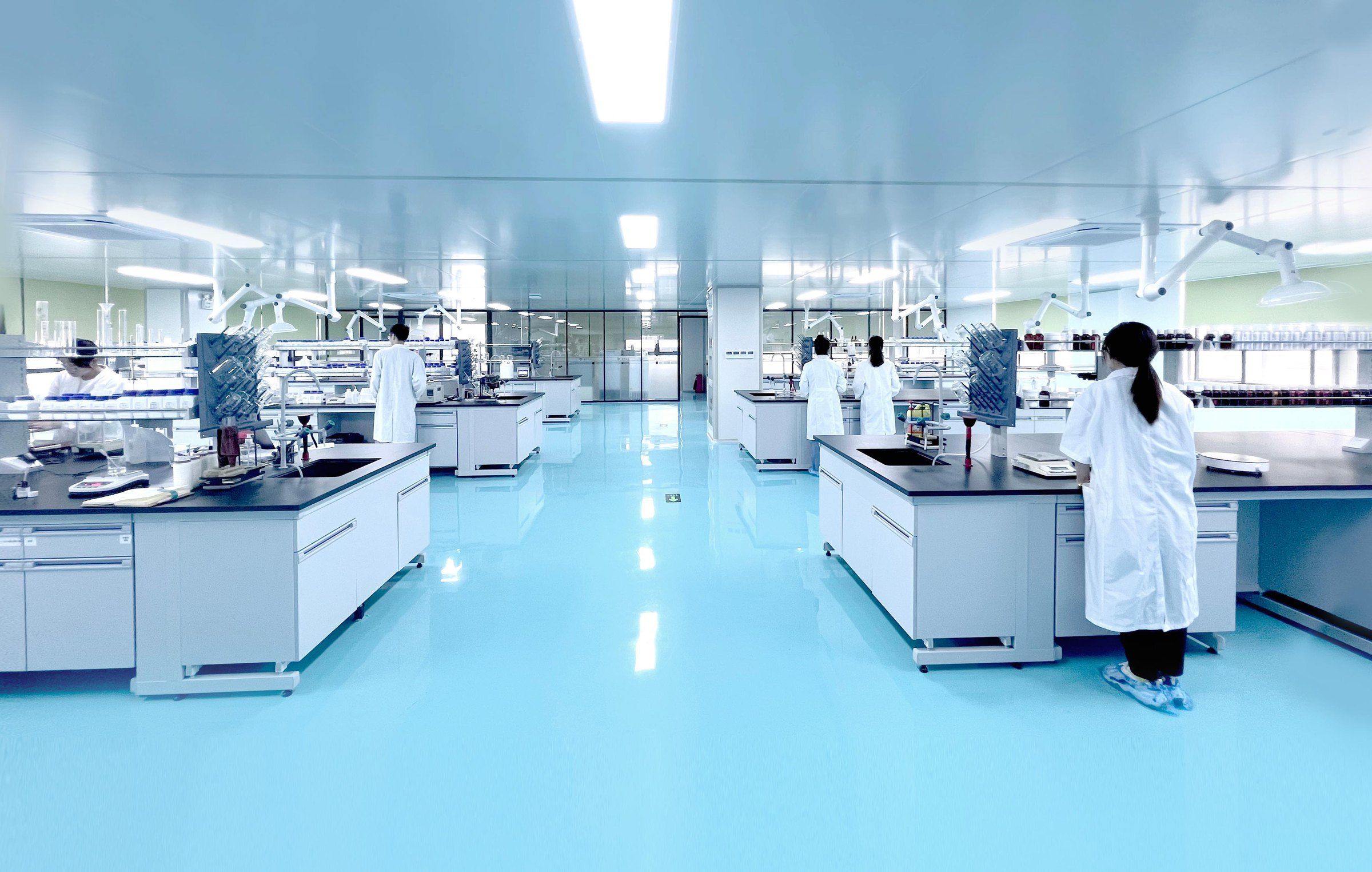
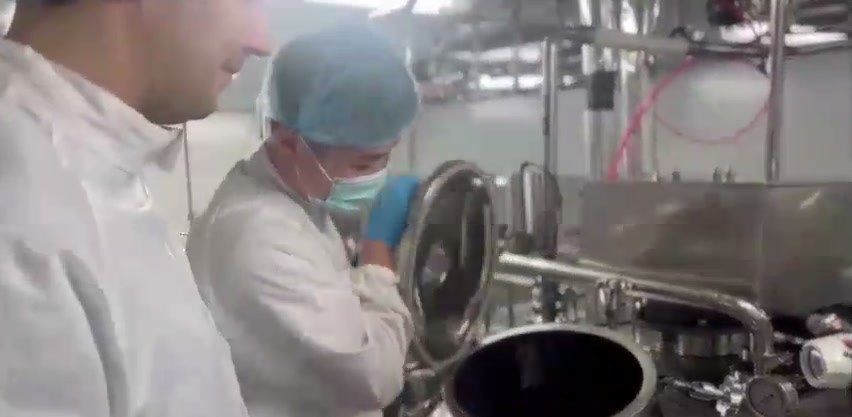
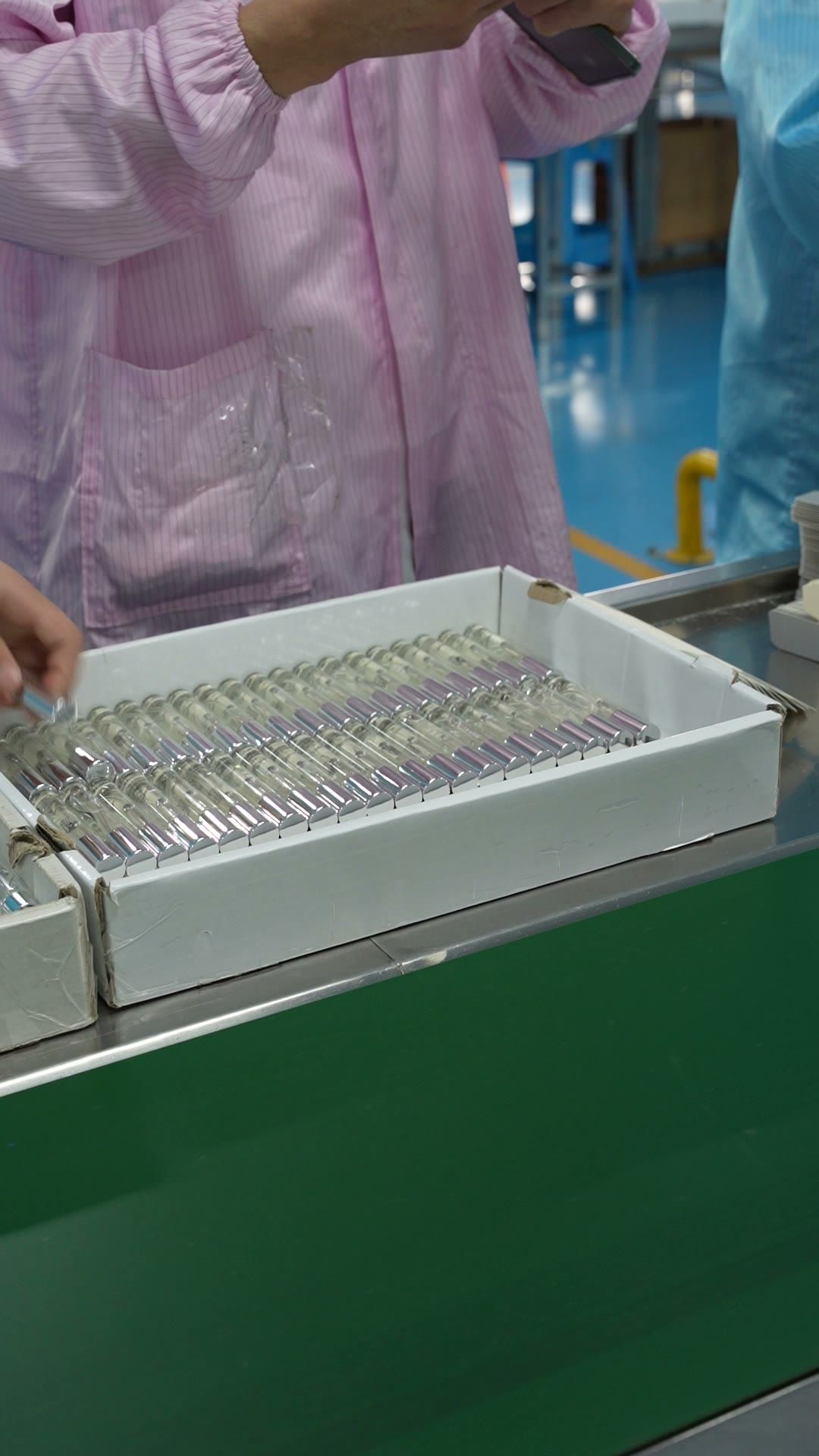
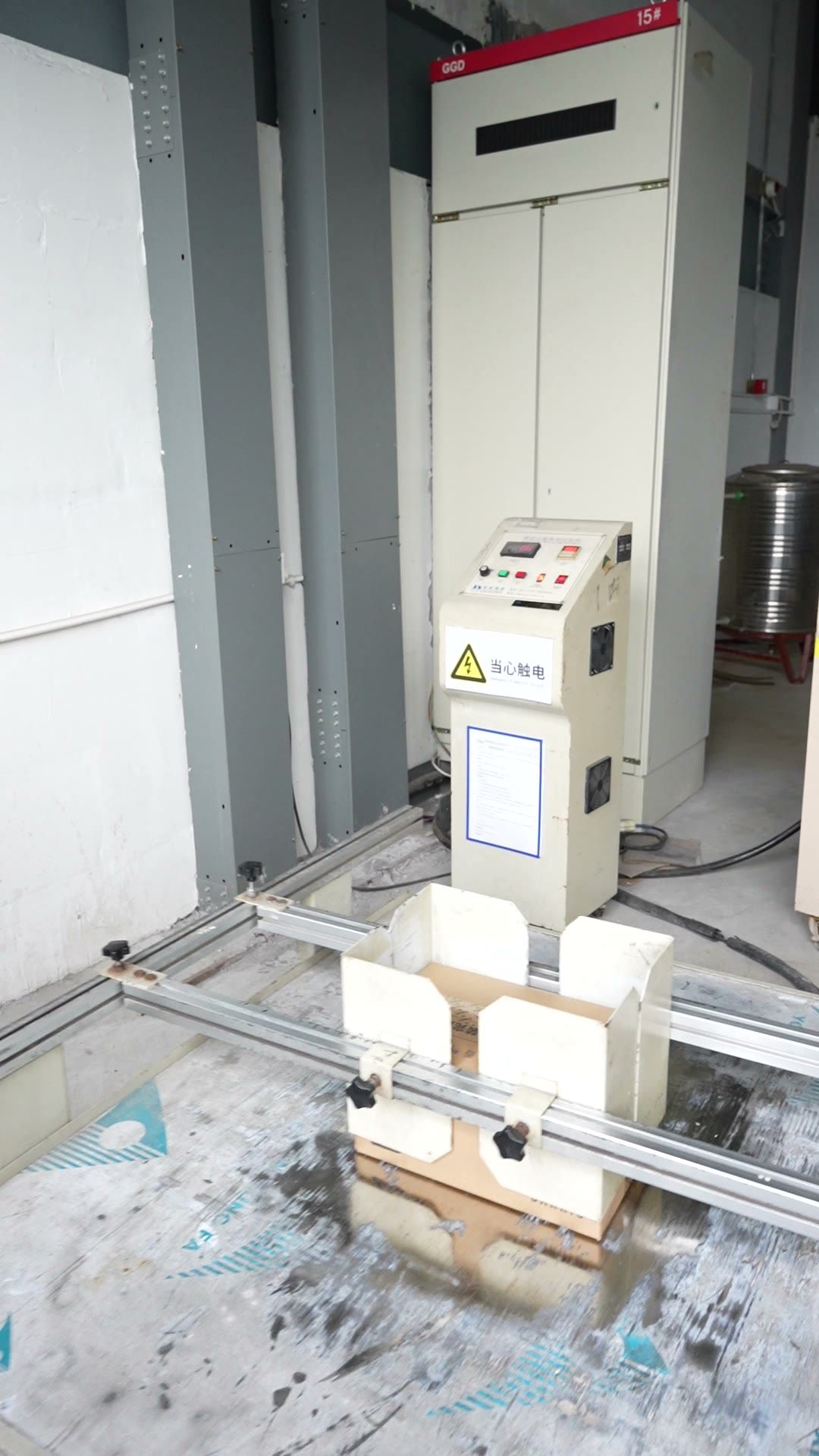
Maceration
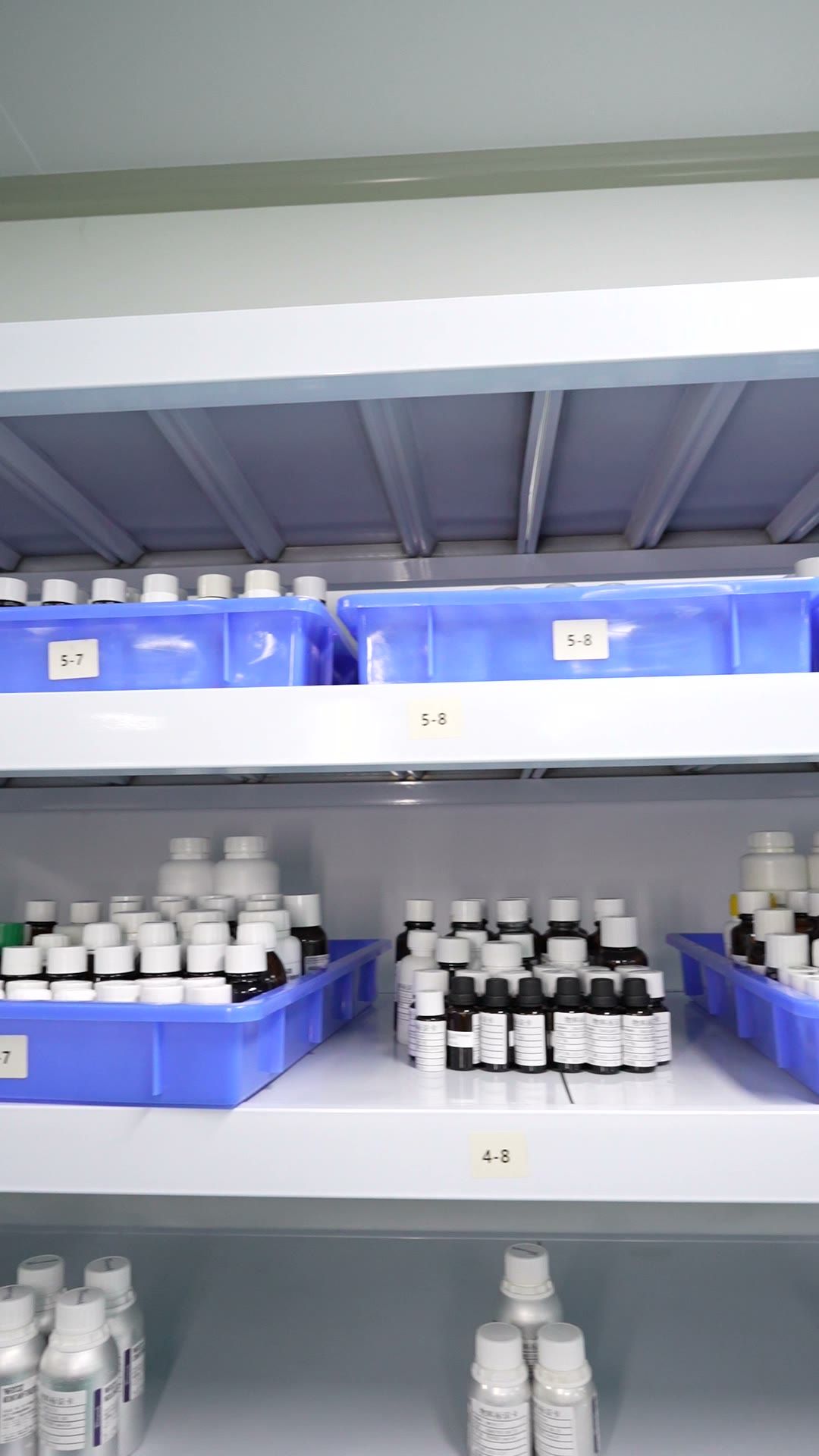
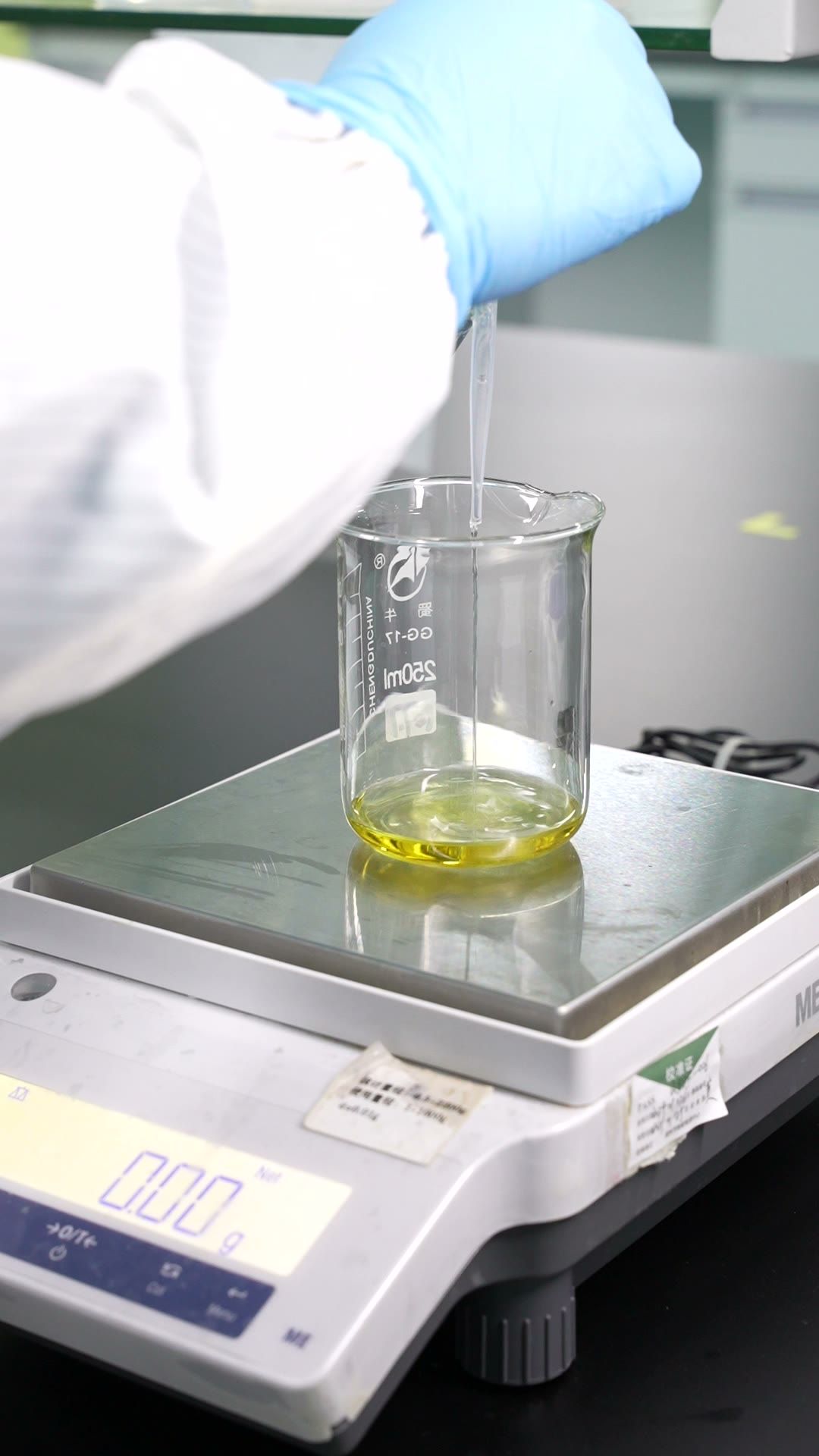
After mixing, perfume rests so the oil and alcohol settle together before filtering and filling. We hold an invention patent for ultrasonic maceration, which shortens the resting step. How long a formula rests is decided per project; some buyers set it in their own specification.
Stability testing
Stability is tested with your packaging, not in a lab beaker, because the pump, the bottle coating and the cap liner can all change how the juice behaves. Samples are held at raised and lowered temperatures and in light, then checked for colour, smell, clarity and weight loss. Accelerated testing helps predict longer shelf behaviour; we treat it as a guide for decisions, not as a promise of shelf life.
Two rules that save time
We do not fill finished juice made by another factory. If we did not make the liquid, we cannot stand behind it. Your own packaging components are welcome.
We sign NDAs and work under a framework contract covering quality and confidentiality. If a scent is developed for you, it is yours.
Planning for a date
Retail fragrance usually has a fixed date. For Christmas goods landing in the US or Europe, the design is frozen in early August. The timeline guide shows the full calendar, and a short message is enough for us to work the plan back from your date.
Questions buyers ask
How long does a perfume project take?
In an existing bottle, roughly two to three months from order to your warehouse: about a month for packaging, about ten days of production and about a month at sea. A new bottle mould adds 35 to 40 days. Scent selection and sampling come before that.
Is there a sample charge?
Yes. Samples carry a charge, refunded against your first order.
How long is the stability test?
It depends on the product and on what your market or retailer asks for, so we agree it per project. Accelerated testing at raised temperature is used to predict longer shelf behaviour; it is a guide for decisions, not a shelf life promise.
Do you fill juice made by another factory?
No. We only fill liquid we make, so that we can stand behind its quality and documents. Your own bottles, caps and boxes are welcome.
Who files the CPNP notification?
The responsible person in the EU, or in the UK for the SCPN. We supply the technical data they need. See our import documents guide.
Last updated . Reviewed by Tang Guoqiang, OEM/ODM Sales Manager at YFF Cosmetics.
Send us your brief
Tell us the product, the market and the launch date. Tang Guoqiang reads every enquiry himself and replies by email.