Guides
Perfume manufacturing guides for buyers
These guides answer the questions buyers ask us most often before a fragrance project: whether to choose OEM or ODM, how long it takes, what a sample confirms, which bottle choices cause trouble, how to pull our SMETA report, and which documents your importer needs. Each is written from what happens on our own lines.
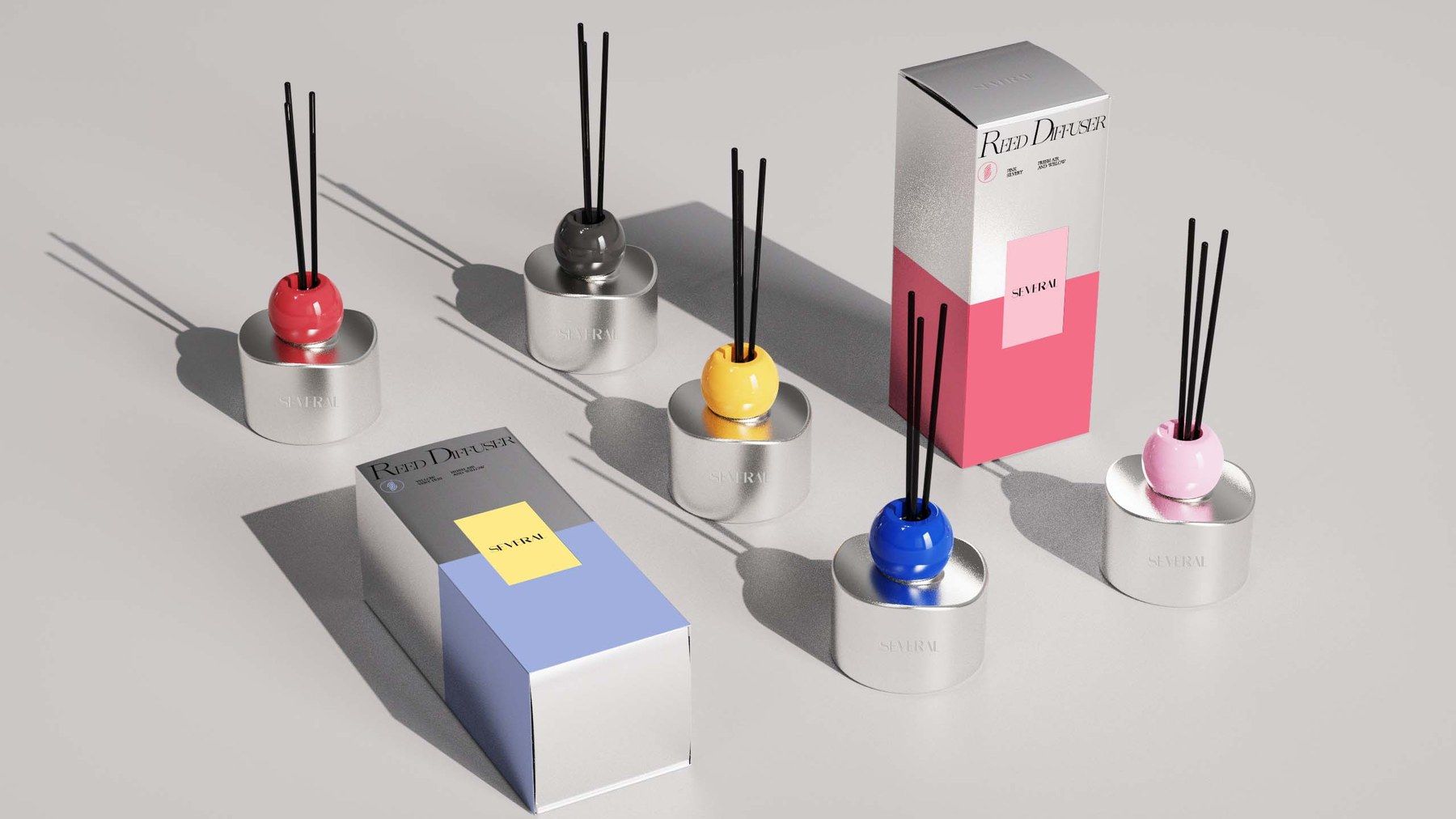
Perfume OEM or ODM: which route fits your brand?
OEM means we make your design; ODM means you adapt one of ours. How the two routes differ in time, ownership and risk, and how to choose between them.
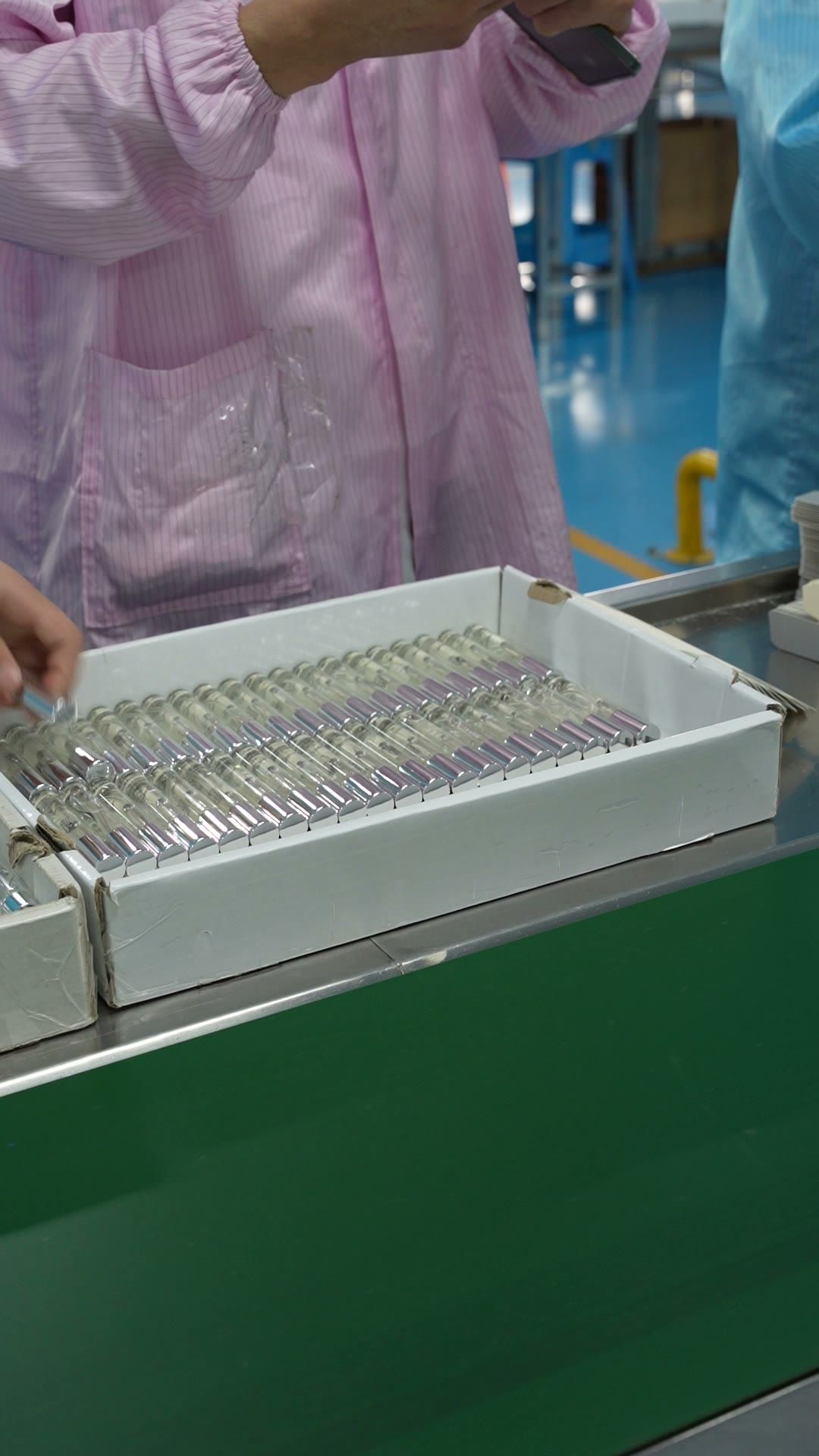
Perfume production timeline, from order to your warehouse
How long a private label perfume takes: packaging about a month, filling about ten days, sea freight about a month, a new mould 35 to 40 days.

How to request a supplier's SMETA report on Sedex
Sedex issues no certificates. Your ethical trade team views a supplier's SMETA report on Sedex. Steps to request ours with company reference ZC407045374.
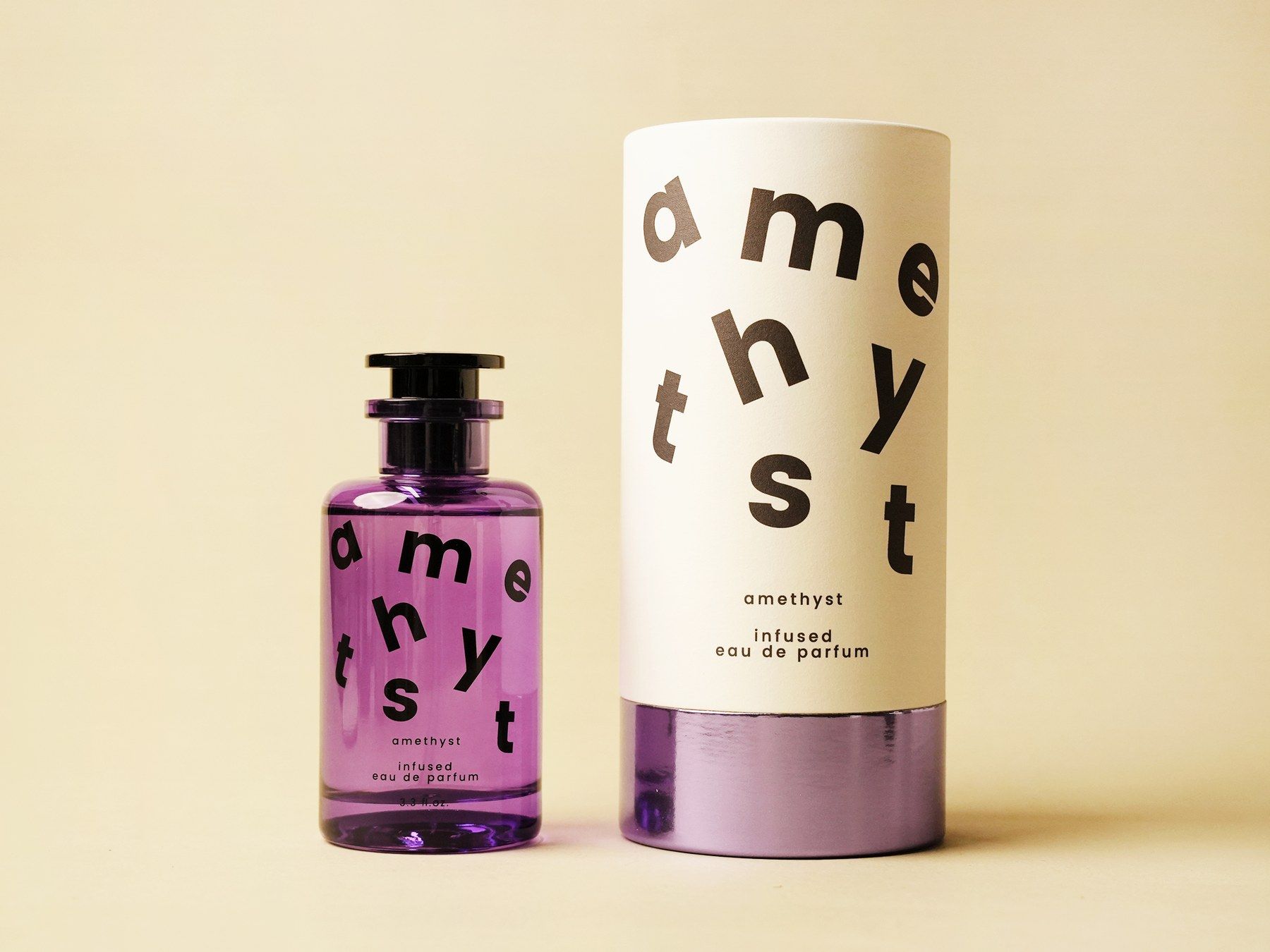
Choosing a perfume bottle: what the factory wishes you knew
Stock bottle or new mould, finishes that fail transit tests, small sizes that lose weight, plastic bottles: bottle choices that change a perfume project.
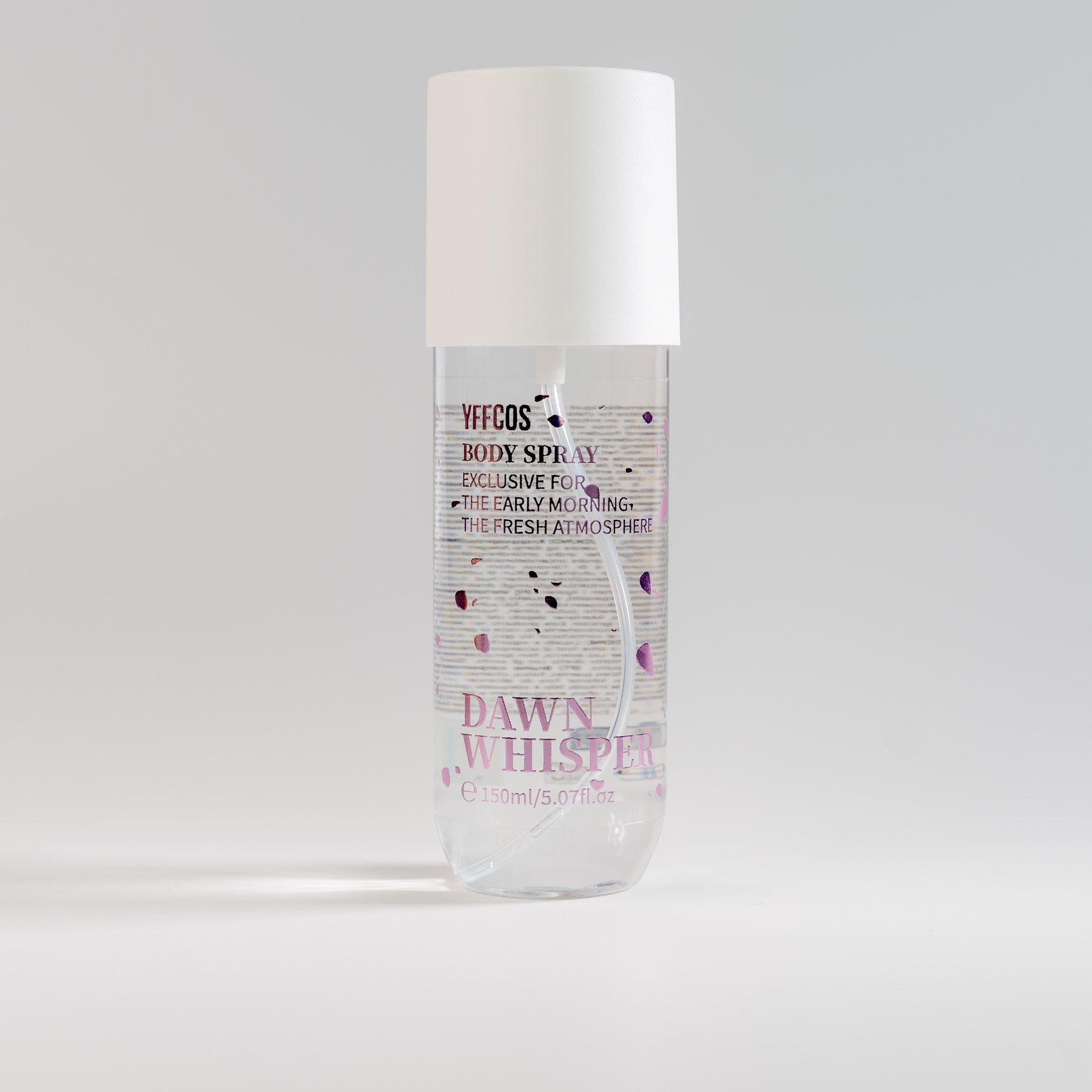
Body mist or eau de toilette: which should you launch?
Body mist and eau de toilette differ in oil level, bottle size, price, shipping and where they sell. How to choose between them for a fragrance range.
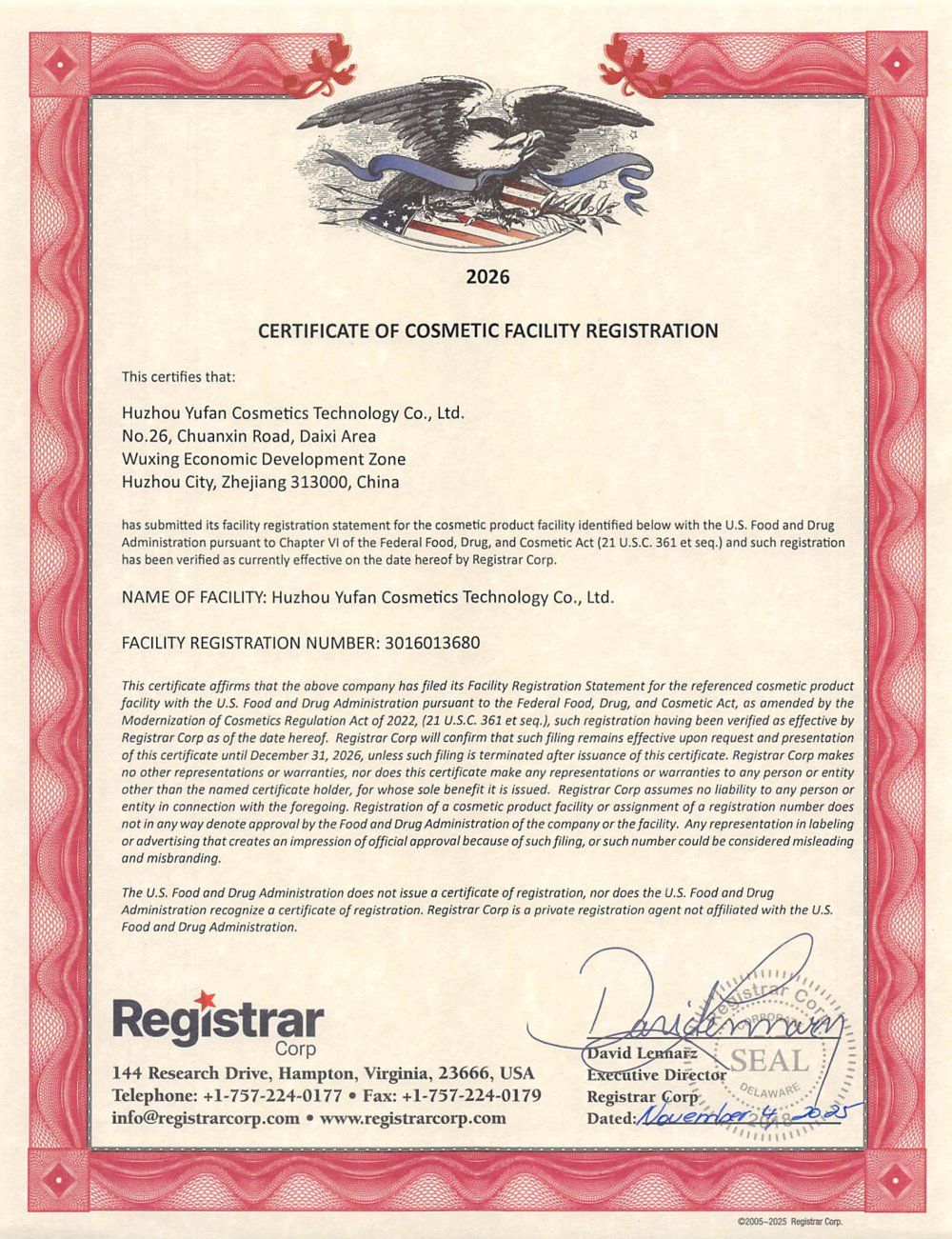
Perfume import documents for the US, UK and EU
Documents a perfume importer needs for the US, UK and EU: SDS, IFRA, allergens, CPSR and CPNP or SCPN, MoCRA listing, dangerous goods, Made in China.
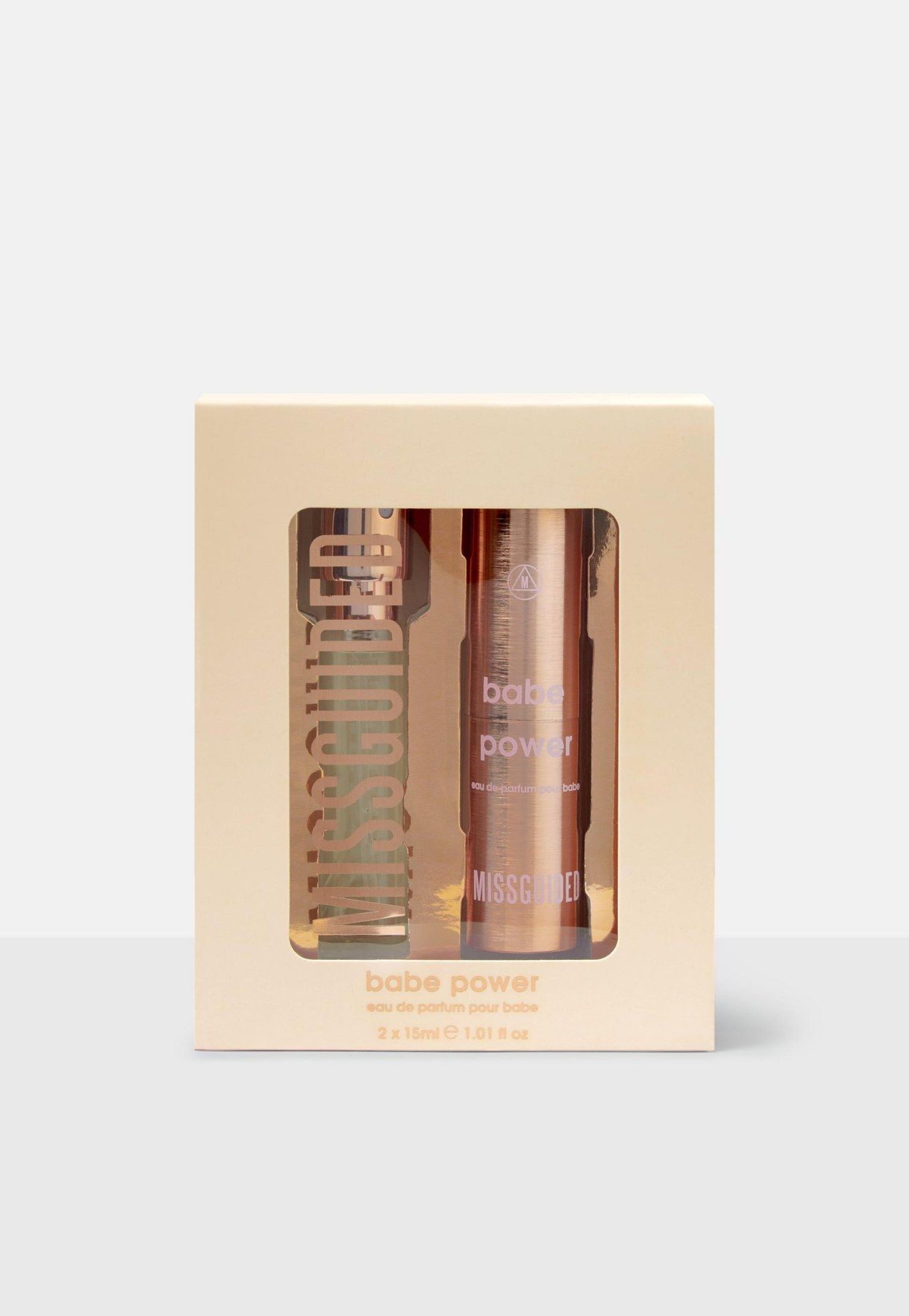
Launching a retail own-brand fragrance range
A checklist for launching an own-brand perfume, body mist or home fragrance range: brief, supplier audits, range plan, shelf-ready packs, documents.
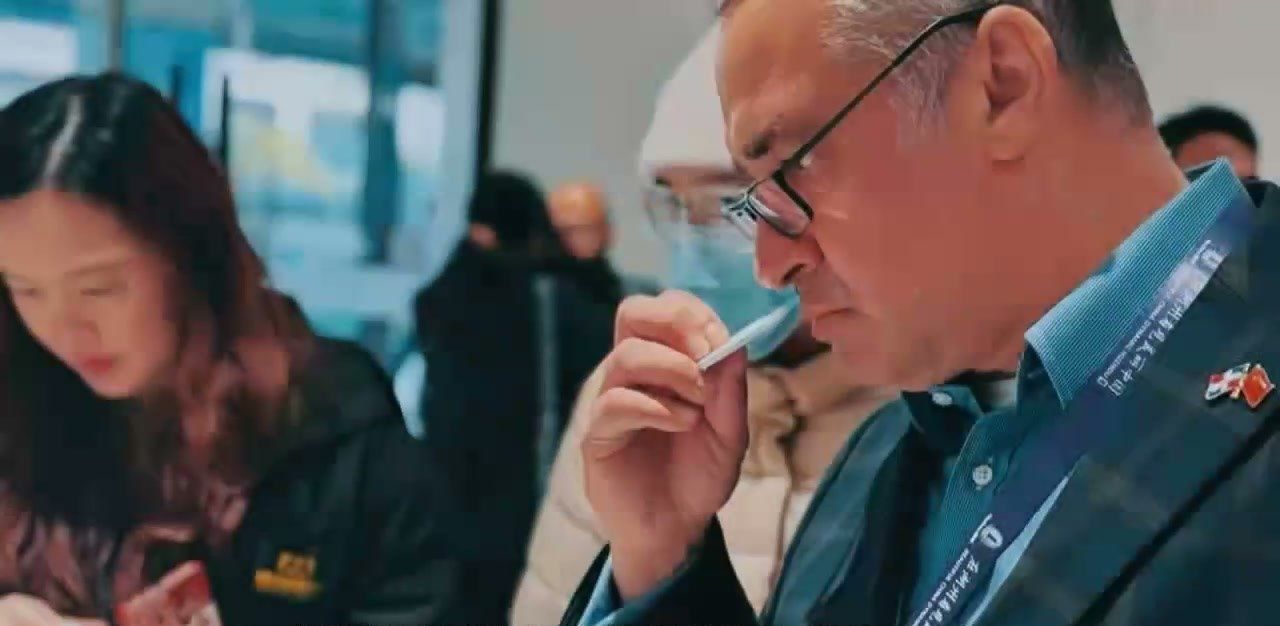
Perfume samples: what each stage confirms
Why perfume sampling runs in stages: scent sample, full sample in your packaging, then tests on real components. What each confirms and what it cannot.
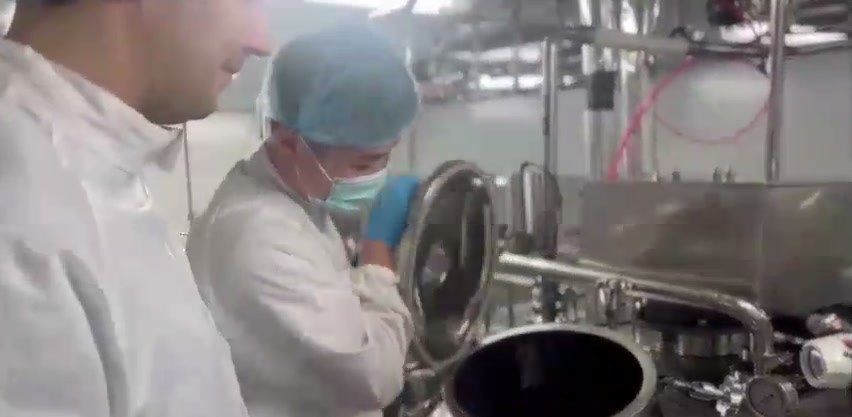
How perfume is made in a contract plant, step by step
The steps a perfume order goes through in our Huzhou plant: mixing, chilling, filtering, maceration, bottle washing, filling, lamp check and leak test.
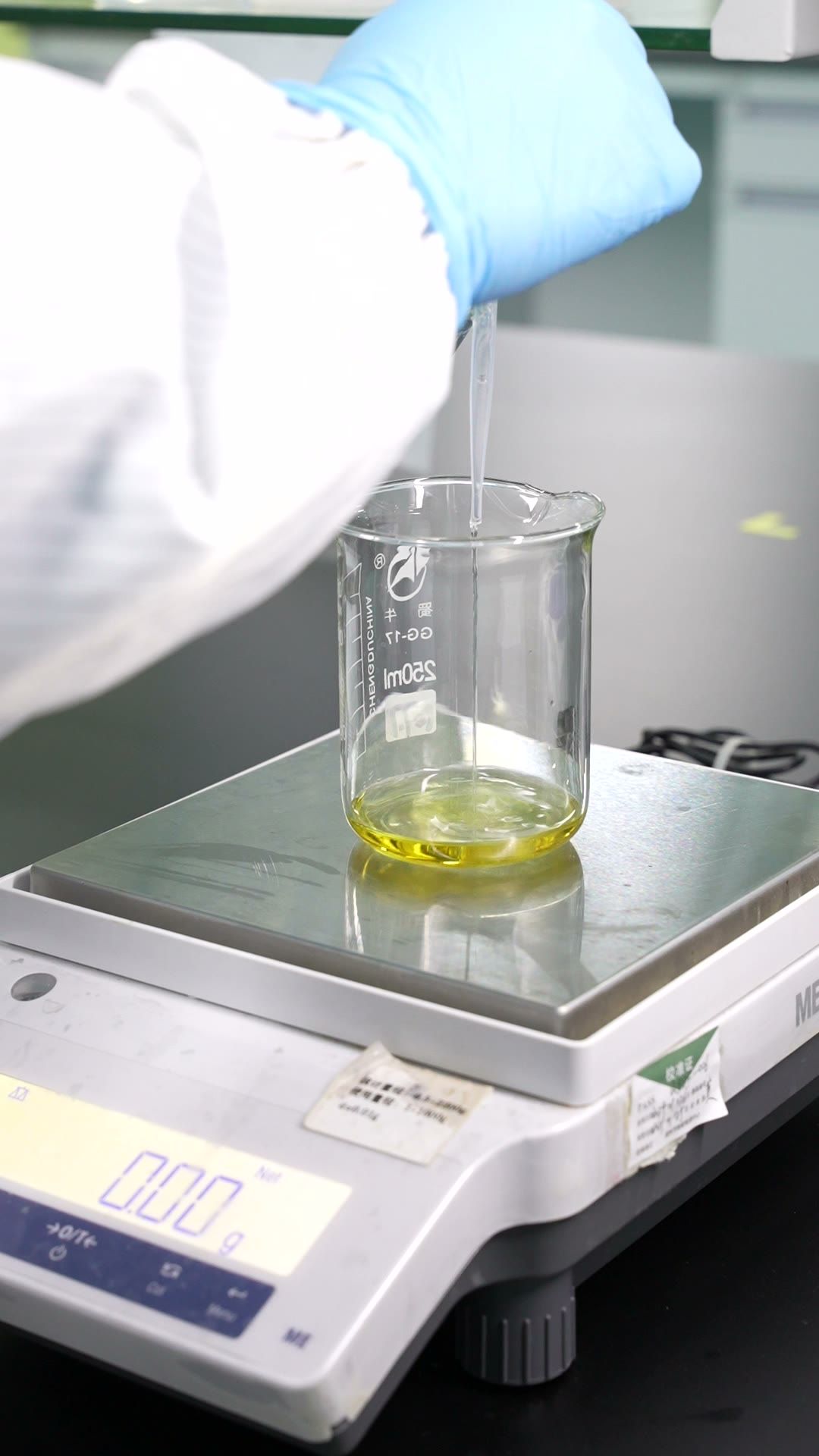
Perfume maceration: what it does and how long it takes
Maceration is the rest between mixing perfume juice and filling it. Why it matters, why there is no fixed number of days, and how it affects your calendar.
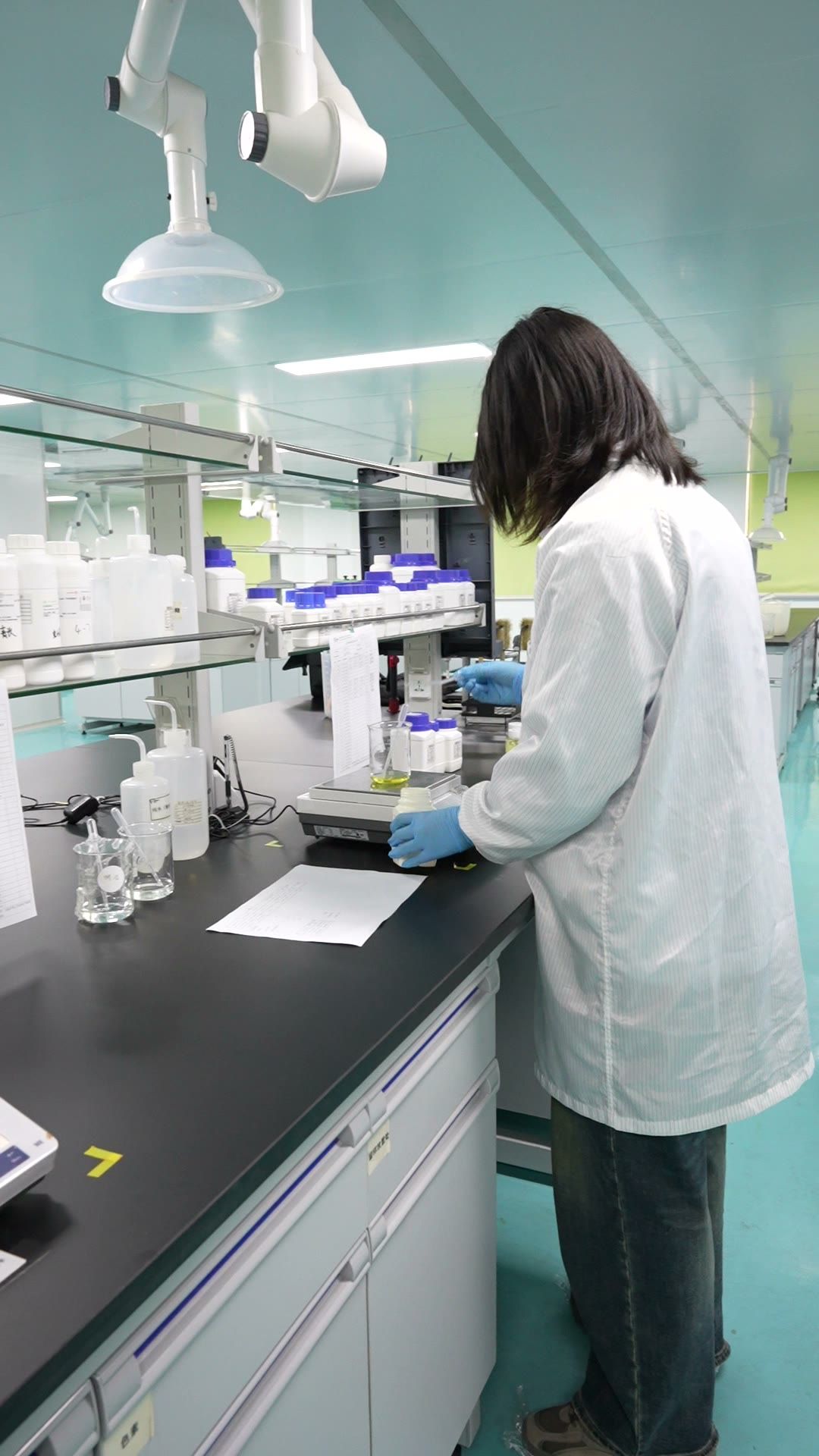
How to check perfume quality on a sample or first shipment
A buyer's checklist for a perfume sample or first shipment: clarity, colour, fill level, spray, crimp, leaks, codes and the ingredient list on the label.

Perfume shelf life and stability testing
Perfume shelf life is tested, not chosen. How stability and compatibility tests work, why a longer shelf life needs a longer test, and what to agree first.
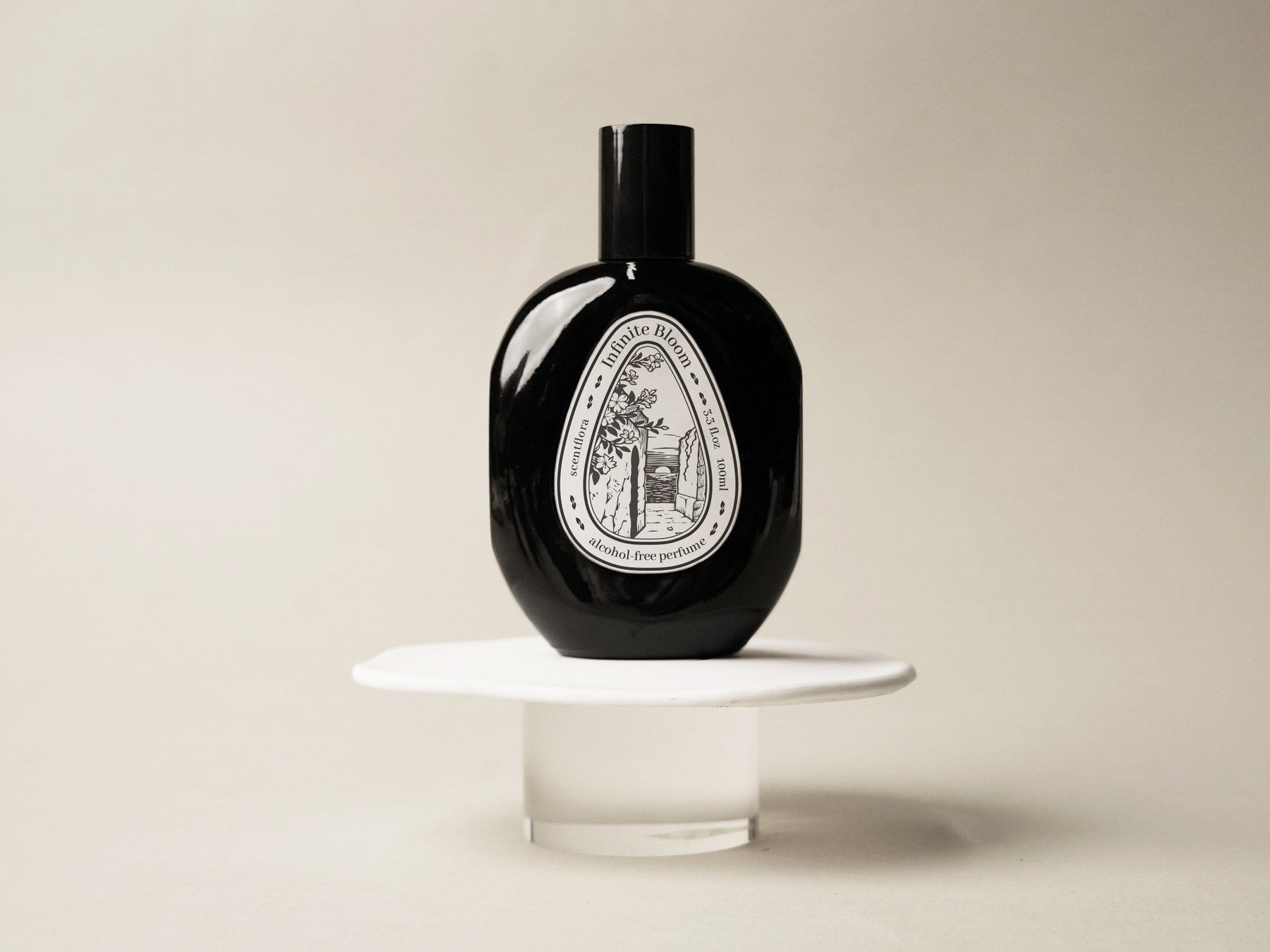
Alcohol-free perfume: how the base works
Why alcohol-free perfume is hard to make, the three common routes and their faults, and how a lecithin emulsion base carries fragrance without a tacky film.
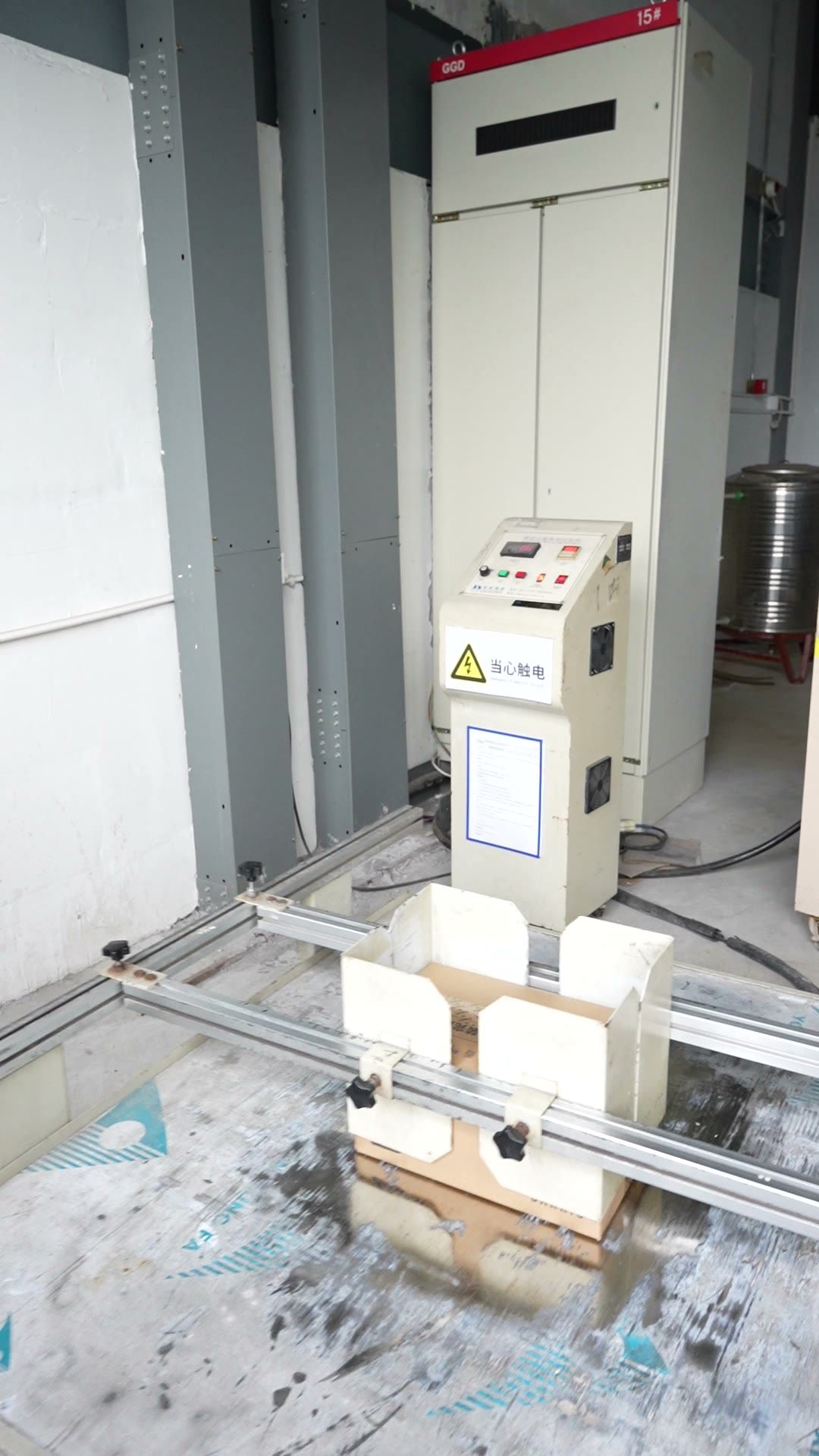
Shipping perfume: air or sea, and the dangerous goods rules
Alcohol perfume is a dangerous good, UN1266 class 3. Why glass perfume costs so much by air, how to split a launch between air and sea, and what can hold goods.
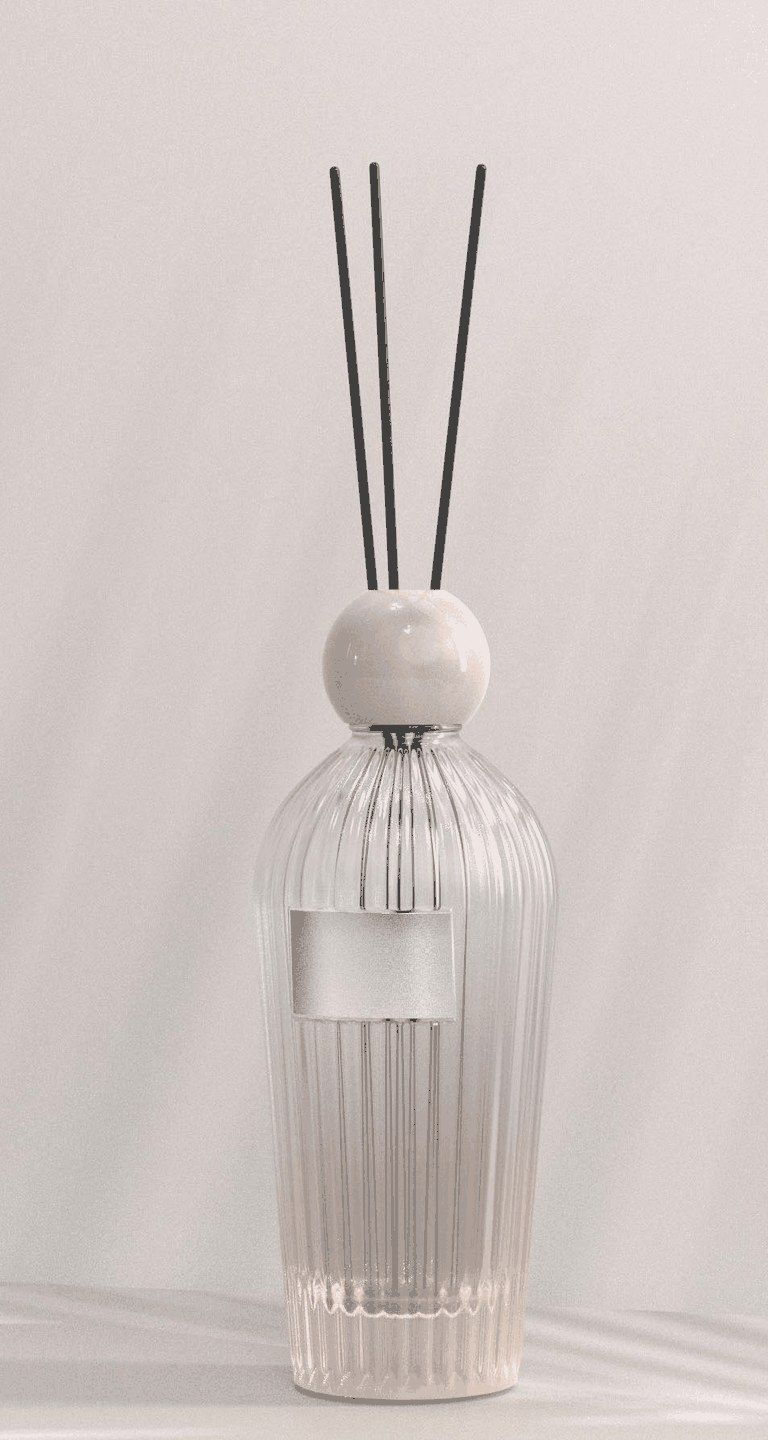
Reed diffusers: how they work and what to specify
How a reed diffuser works, what the liquid, reeds and bottle each do, and the points to settle in a brief for an own-brand reed diffuser range.
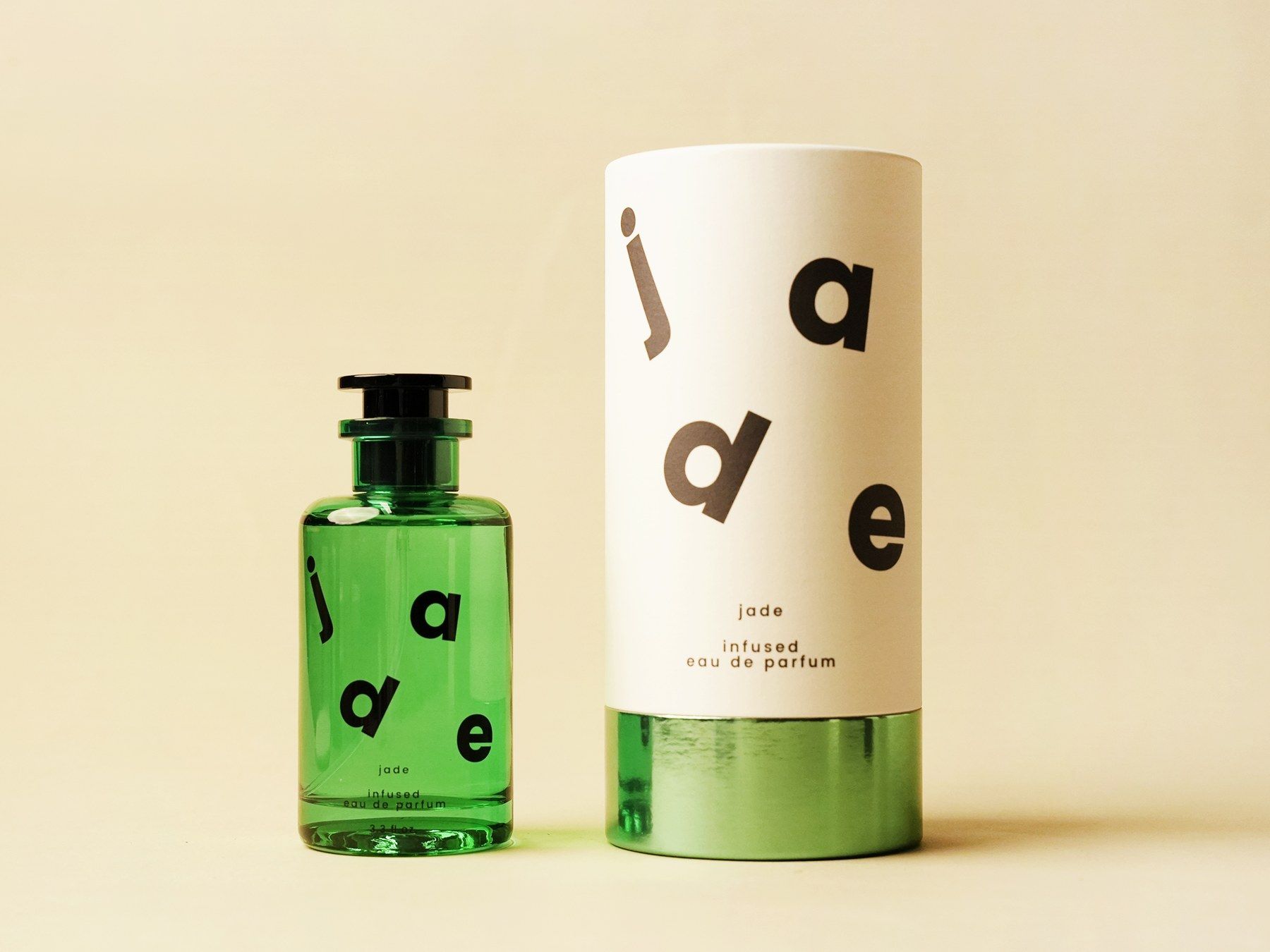
Niche or mass-market fragrance: what changes at the factory
Niche and mass-market fragrance differ in oil level, packaging, batch size and price. What each choice means for a brand working with a contract manufacturer.
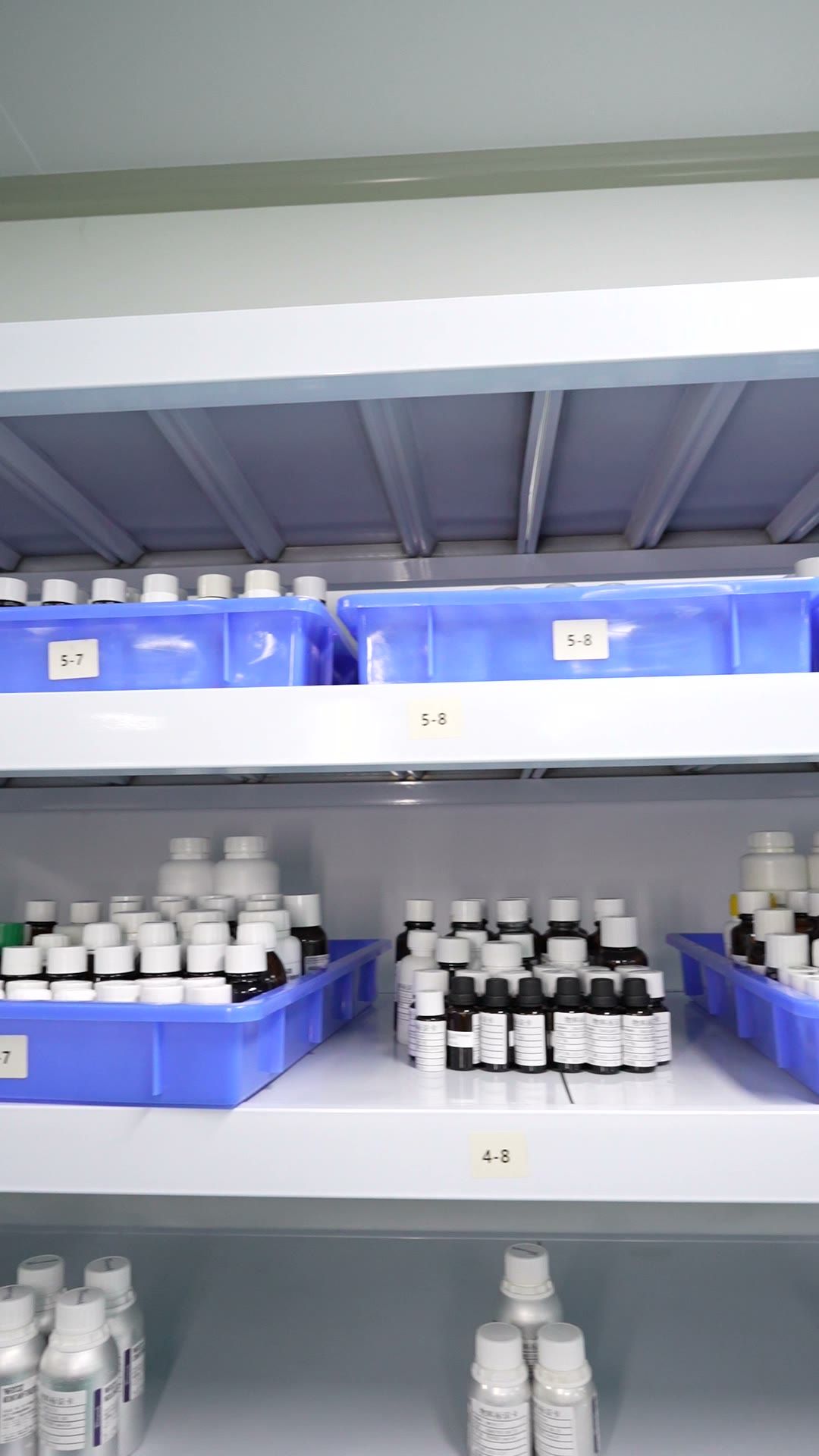
Where fragrance oil is made, and what imported really means
Where a perfume's fragrance oil is created and where it is compounded are two different places. What imported oil really means and what you may print on a pack.
Supplying your own bottles: what to agree first
If you buy your own bottles, pumps or caps, agree the production loss rate in writing first. Why we accept client packaging but never client-supplied juice.
Questions buyers ask
Who writes these guides?
Tang Guoqiang, our OEM/ODM Sales Manager, from what our factory team sees on real projects. Where a point is an industry rule of thumb rather than our own test result, the guide says so.
Can I ask a question that is not covered?
Yes. Send it to us. Good questions often become the next guide.
Do the guides replace advice from my regulatory adviser?
No. They explain how things work at the factory end. Label wording and product safety files are confirmed by your responsible person or adviser for each market.
Last updated . Reviewed by Tang Guoqiang, OEM/ODM Sales Manager at YFF Cosmetics.
Send us your brief
Tell us the product, the market and the launch date. Tang Guoqiang reads every enquiry himself and replies by email.